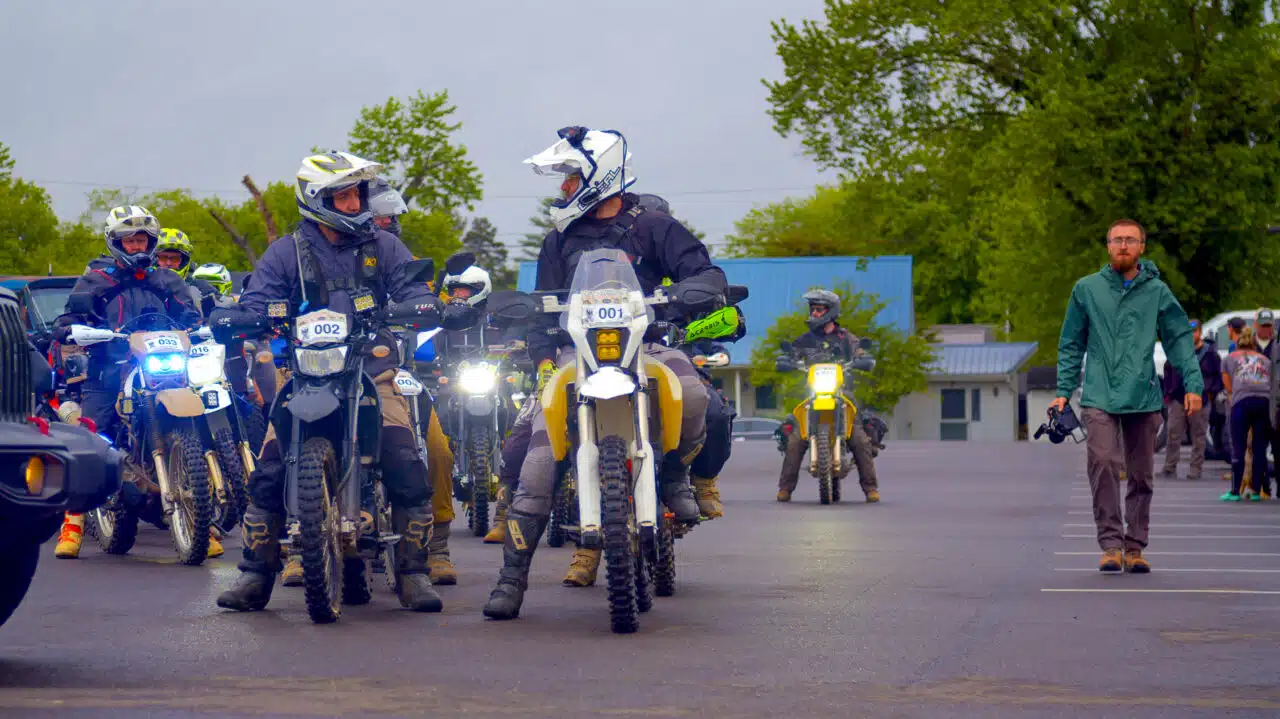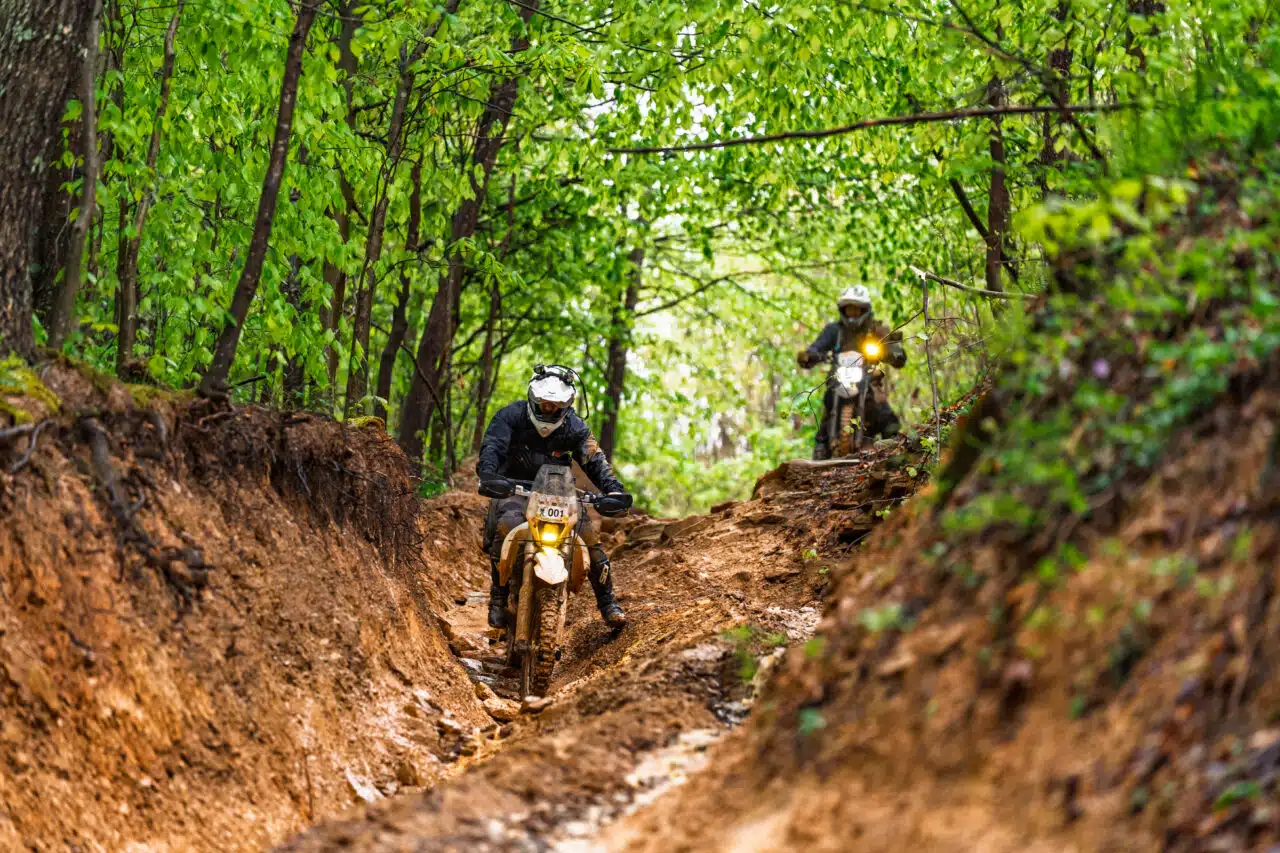
West Virginia has long been recognized for its natural beauty and strong outdoor recreation heritage. From its rolling mountains to its expansive trail systems, the Mountain State is uniquely positioned to capitalize on a wide range of tourism opportunities. However, recent data suggests it may be time to reassess how we prioritize and invest in these opportunities.
According to the latest report from the U.S. Department of Commerce’s Bureau of Economic Analysis (BEA), motorcycling and ATV riding now rank as the fourth-largest segment of the outdoor recreation industry in the United States. The rankings are as follows:
Boating and Fishing
RVing
Hunting and Shooting
Motorcycling and ATV Riding
Snow Activities
This is a significant insight, especially when considering where public investment is currently being directed.
West Virginia has committed tens of millions of dollars toward supporting and subsidizing snow skiing infrastructure. While skiing is certainly an important part of the state’s tourism portfolio, it represents a smaller portion of the overall outdoor recreation economy compared to motorized trail-based activities like off-road driving, adventure motorcycling, and ATV riding.
At the same time, motorized recreation continues to grow in both participation and economic impact nationwide. This trend aligns directly with West Virginia’s strengths. The state’s rugged terrain, extensive backroads, and rural landscapes make it one of the most naturally suited locations in the country for this type of recreation.
Perhaps most compelling is the cost-benefit comparison. Supporting motorized outdoor recreation, through trail development, mapping, access improvements, and event facilitation, requires only a fraction of the investment needed for large-scale ski resort infrastructure. Yet, the return on investment can be substantial, especially for rural communities that benefit directly from increased visitation.
Backroads of Appalachia has seen this impact firsthand. Through organized events, route development, and tourism initiatives, communities across the region have experienced increased economic activity, greater visibility, and new opportunities for growth. Small businesses, from fuel stations and restaurants to lodging providers, stand to gain the most from this type of tourism.
This is not a call to abandon existing investments, but rather an opportunity to rebalance priorities in a way that reflects current market trends and maximizes return for West Virginia’s citizens.
With thoughtful, strategic support, West Virginia has the potential to position itself as a national leader in motorized outdoor recreation. The demand is there. The landscape is ideal. The economic upside is proven.
Now is the time to align investment with opportunity.